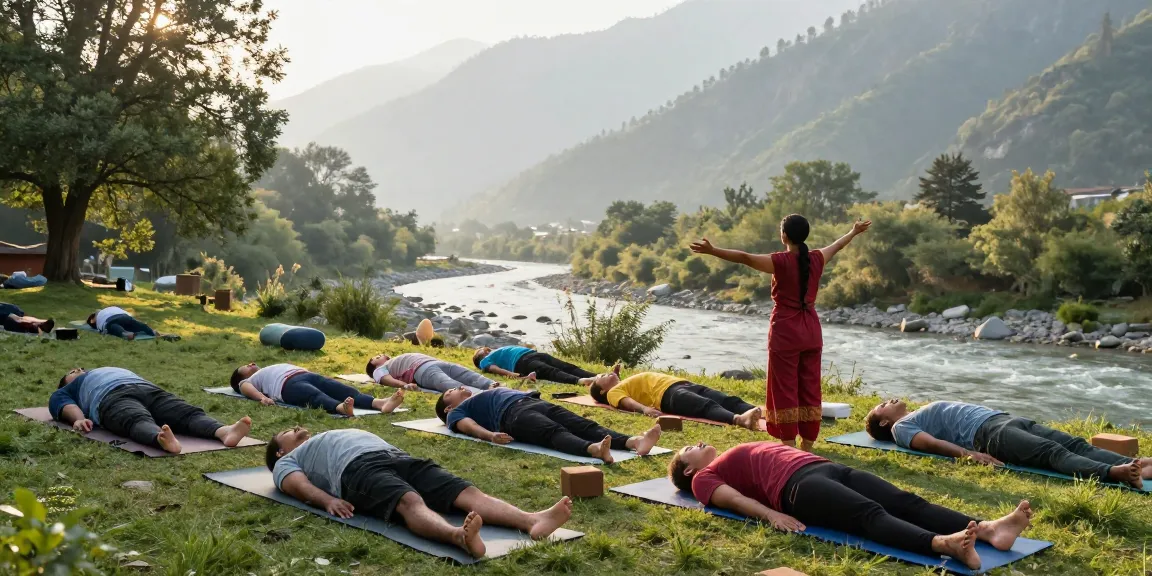
Understanding Yoga Teacher Training in Rishikesh India
For those seeking to deepen their practice or share their yoga journey with others, the path of becoming a yoga teacher can be immensely rewarding. Yoga teacher training in Rishikesh India provides an excellent opportunity to immerse yourself in the origins of yoga while obtaining internationally recognized certifications. The serene environment of Rishikesh, often referred to as the "Yoga Capital of the World," is ideal for this transformative educational experience.
What is Yoga Teacher Training?
Yoga teacher training (YTT) is a comprehensive program designed to equip aspiring teachers with the skills, knowledge, and confidence to share the practice of yoga with others. These courses typically cover a wide range of topics, including yoga philosophy, anatomy, teaching methodologies, and various styles of yoga. The most common certifications are 200-hour, 300-hour, and 500-hour programs, each offering a different depth of training and understanding of yoga.
Why Rishikesh is the Ideal Location?
Rishikesh, located at the foothills of the Himalayas along the sacred Ganges River, is renowned for its spiritual ambiance, wellness centers, and yoga schools. The natural beauty, coupled with a vibrant spiritual culture, provides the perfect backdrop for yoga training. The presence of numerous ashrams, meditation centers, and yoga schools fosters a supportive community, making Rishikesh a top choice for yoga enthusiasts from around the globe.
Benefits of Certification in Yoga
Obtaining a yoga teaching certification is crucial for anyone looking to establish a professional career in yoga. Certification ensures that you have undergone rigorous training and are equipped with the necessary skills to teach confidently and safely. Furthermore, being a certified instructor enhances your credibility, making it easier to find teaching opportunities both locally and internationally.
Course Offerings and Structures
Overview of 200, 300, and 500 Hour Programs
Adhiroha offers a variety of yoga teacher training courses tailored to meet the needs of different practitioners:
- 200-Hour Yoga Teacher Training: This foundational course spans 24 days and covers the essential elements of yoga teaching, including asana, pranayama, meditation, and yoga philosophy.
- 300-Hour Yoga Teacher Training: Building upon the 200-hour course, this program delves deeper into advanced techniques, alignment, and teaching methodologies over the course of 30 days.
- 500-Hour Yoga Teacher Training: A comprehensive 60-day program designed for those who wish to gain in-depth knowledge and skills necessary to become highly qualified yoga instructors.
Curriculum Breakdown: Subjects Covered
The curriculum of Adhiroha's yoga teacher training courses includes a range of subjects aimed at fostering a well-rounded education:
- Asanas: Techniques and alignment of various yoga postures.
- Pranayama: Breathing techniques to enhance vitality and mental clarity.
- Yoga Philosophy: Study of ancient texts and modern interpretations of yoga.
- Anatomy and Physiology: Understanding the body’s structure and its connection to yoga practice.
- Teaching Methodology: Skills needed to effectively instruct and inspire students.
Daily Schedule: What to Expect?
A typical day during the yoga teacher training program is well-structured to provide a balanced routine of physical practice, theoretical study, and mindfulness:
- Morning: Early morning yoga practice followed by meditation and pranayama.
- Midday: Workshops covering various topics in yoga philosophy and teaching techniques.
- Afternoon: Anatomy lectures and practical sessions focusing on asanas.
- Evening: Group discussions, practice teaching, or community service.
Choosing the Right Yoga Training School
Key Factors to Consider When Selecting a School
When choosing a yoga teacher training program, it’s essential to do thorough research. Look for schools that offer:
- Experienced and qualified instructors
- A comprehensive curriculum that matches your interests
- Positive student reviews and testimonials
Accreditation and Recognition of Programs
Ensure that the school you choose is accredited by a reputable organization like Yoga Alliance. Accreditation ensures that the training meets specific standards and that you will receive a certification recognized internationally.
Student Reviews and Testimonials
One of the best ways to gauge the quality of a yoga teacher training program is through student feedback. Look for testimonials that highlight the strengths and weaknesses of the program, as well as the instructors’ teaching styles.
Experiential Learning in Rishikesh
Cultural Immersion and Excursions
Integral to the training experience is cultural immersion, which allows students to connect with the local community and understand the rich traditions of yoga. Programs often include excursions to local temples, markets, and natural sites, providing invaluable insights into Indian culture.
Community Engagement and Networking Opportunities
Rishikesh serves as a hub for yoga practitioners from around the world, offering opportunities for networking and community engagement. Students can forge lasting relationships with fellow yogis and instructors, fostering a supportive environment that extends beyond the classroom.
Spiritual Practices: A Deeper Dive into Philosophy
Beyond physical practice, courses often emphasize spiritual development through the study of yogic texts, meditation, and ethical practices. This holistic approach ensures that students emerge as well-rounded practitioners, equipped to share the philosophy of yoga with others.
Navigating Challenges and Misconceptions
Common Misbeliefs About Yoga Teacher Training
There are many misconceptions about yoga teacher training, such as the belief that you must be an advanced practitioner to enroll. In reality, many programs welcome students of all skill levels, focusing on personal growth and development.
Addressing Physical and Mental Challenges
Embarking on a yoga teacher training journey can be physically and mentally challenging. It’s important to acknowledge these challenges and seek guidance from instructors or peers when needed. Many schools, including Adhiroha, offer support systems to help students navigate their experiences.
Preparing for Post-Certification Opportunities
Upon completing a yoga teacher training program, students often wonder about their next steps. Many find opportunities to teach at local studios, host workshops, or continue their education with advanced courses. Ultimately, the skills and confidence gained during training open doors to a variety of career paths in wellness and health.
What is the highest yoga certification?
The highest level of yoga certification typically recognized is the 500-hour designation. This advanced certification allows practitioners to explore specialized yoga styles and deepen their teaching skills.
Can I teach yoga without certification in India?
While it is legal to teach yoga without certification in India, it is highly recommended to pursue formal training. Certification enhances credibility and helps you build a strong foundation for teaching.
Which yoga course is best in India?
The "best" yoga course can vary based on individual preferences and goals. Renowned programs in Rishikesh, such as those offered by Adhiroha, have a strong reputation for their quality education and experienced instructors.
How to become a certified yoga teacher in India?
To become a certified yoga teacher in India, one must enroll in and complete a recognized yoga teacher training program, typically ranging from 200 to 500 hours, followed by practical teaching experience.
What is the difference between 200 and 300-hour yoga teacher training?
The primary difference lies in the depth of content covered. For more information, sound healing course india offers valuable insights. A 200-hour program provides foundational knowledge, while a 300-hour course delves deeper into advanced techniques, philosophy, and teaching methodologies.