
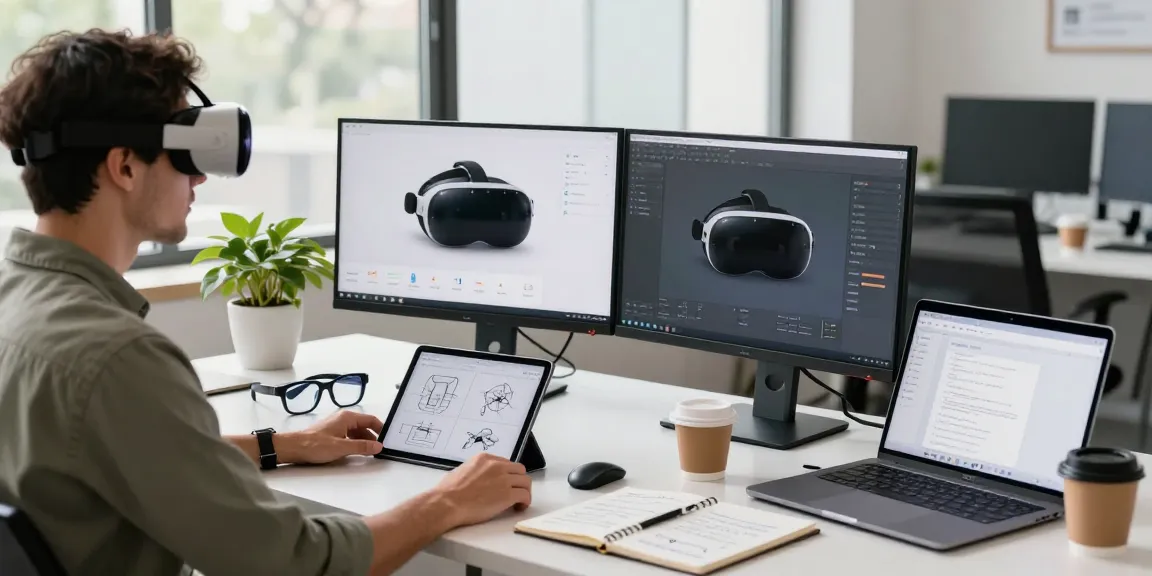
Understanding AR Glasses in 2026
Augmented Reality (AR) glasses have rapidly evolved over the past few years, making significant strides in functionality, design, and accessibility. As we navigate 2026, it’s clear that these devices are becoming integral to various sectors, from gaming and entertainment to education and healthcare. With advancements in technology, AR glasses not only enhance our interaction with digital content but also provide a seamless blend of the virtual and real worlds. When exploring options, AR glasses provide comprehensive insights into this technology’s capabilities and features, making them an essential tool for the modern user.
What Are AR Glasses?
AR glasses are wearable devices designed to overlay digital information onto the real world, enhancing the user’s perception of their environment. Unlike Virtual Reality (VR) headsets, which immerse users in a fully digital space, AR glasses allow for interaction with both physical and virtual elements simultaneously. This dual interaction creates opportunities for innovative applications across various industries.
Key Features of Modern AR Glasses
Modern AR glasses come equipped with a range of features that significantly improve user experience and functionality:
- High-Resolution Displays: Many AR glasses now feature high-resolution displays that provide crisp and clear visuals, essential for applications requiring detailed graphics.
- Gesture Control: Gesture recognition technology allows users to interact with digital elements without the need for physical controllers, making the experience more intuitive.
- Voice Activation: Voice commands enhance functionality, enabling hands-free operation, which is particularly beneficial in professional settings.
- Lightweight Design: Advances in materials have led to lighter frames, making prolonged use more comfortable and accessible for various users.
- Integration with Mobile Devices: Many AR glasses can connect seamlessly with smartphones, enabling a wider range of applications and ease of use.
Technological Advancements in 2026
The year 2026 has seen remarkable advancements in AR technology, including:
- Improved Battery Life: Battery technology has progressed, allowing for longer usage times without compromising the device’s performance.
- Enhanced Processing Power: The integration of more powerful processors enables smoother experiences and more complex applications.
- AI Integration: Artificial intelligence is becoming a key component in AR glasses, providing personalized experiences based on user behavior and preferences.
- Expanded Application Ecosystem: The variety of applications available for AR glasses has grown exponentially, ranging from education and training simulations to interactive gaming and remote collaboration tools.
Benefits of Using AR Glasses
Improving Productivity with AR Technology
AR glasses can significantly boost productivity in various fields by providing immediate access to critical information. For instance:
- Professional Training: AR technology can simulate real-world training environments, allowing employees to practice skills in a safe, controlled setting.
- Remote Assistance: Technicians can receive real-time guidance while working on complex machinery, reducing errors and improving efficiency.
- Data Visualization: Managers can view performance data overlaid in their physical workspace, allowing for quicker decision-making.
Enhanced User Experience Through Real-Time Information
One of the most compelling benefits of AR glasses is the ability to provide real-time information. Whether it’s navigation instructions while driving or displaying notifications from a smartphone, these glasses keep users informed without needing to divert their attention from their tasks. This capability helps streamline processes
AR Glasses for Education and Training
In the educational sector, AR glasses have transformed methods of teaching and learning. By providing immersive experiences, students can engage more deeply with the material. Examples include:
- Interactive Learning: Students can explore historical sites or conduct virtual science experiments directly in their classroom.
- Skill Development: Professionals in fields such as medicine and engineering can use AR for realistic simulations, enhancing their skills through practice.
Challenges and Considerations
Common Misconceptions About AR Glasses
Despite their potential, there are several misconceptions surrounding AR glasses:
- High Cost: While some models can be expensive, the market is diversifying, offering options at a range of price points.
- Limited Usability: Many users believe that AR glasses are only useful in specific industries; however, their applications are diverse and applicable in everyday life.
Privacy and Security Concerns
As with any technology that collects data, AR glasses raise privacy and security concerns. Users must be aware of data handling practices and choose reputable brands that prioritize user privacy.
Accessibility Issues and Solutions
Accessibility remains a concern, particularly for individuals with disabilities. Developers are working on solutions such as voice-activated controls and customizable interfaces to ensure that AR technology is inclusive for all users.
Comparing Leading AR Glasses Brands in 2026
VITURE vs. Competitors: A Market Overview
In 2026, several brands vie for dominance in the AR glasses market:
- VITURE: Known for their high-quality displays and user-friendly interfaces, VITURE glasses have received positive reviews for gaming and entertainment applications.
- Ray-Ban Meta: Combining style and technology, Ray-Ban’s AR glasses have found a niche among fashion-conscious consumers looking for functionality.
- XREAL: XREAL focuses on affordability without sacrificing performance, making them a popular choice for casual users.
User Reviews: What Customers Are Saying
Customer feedback has been essential in shaping the AR glasses market. Reviews often highlight:
- Comfort: Users appreciate lightweight designs that allow for extended wear.
- Functionality: Many customers enjoy the versatility of applications available, particularly in gaming and education.
Price Range and Value Assessment
The price of AR glasses varies widely, from budget-friendly models at around $200 to high-end options priced over $1,000. Consumers are encouraged to consider their specific use cases and needs when evaluating value.
The Future of AR Glasses
Predictions for AR Glasses Beyond 2026
Looking ahead, the future of AR glasses appears promising. Predictions include:
- Wider Adoption: As technology becomes more accessible and affordable, broad adoption in everyday settings is expected.
- Integration with AI: The convergence of AR with AI will lead to more personalized and context-aware experiences.
Emerging Trends in AR Technology
Several trends are anticipated to shape the AR glasses market, such as:
- Spatial Computing: This technology will enhance the way users interact with their surroundings, making digital content more relevant and responsive to context.
- 5G Connectivity: With faster internet speeds, real-time data streaming and communication will become a standard expectation for AR applications.
Expert Insights on the AR Glasses Market
Industry experts believe that AR glasses will play a crucial role in digital transformation. They advocate for ongoing investments in research and development to continue enhancing user experiences and addressing current limitations.


